If you’ve been struggling with chronic joint pain, tendonitis, or sports injuries that just won’t heal, you might have heard about a treatment called PRP therapy. It’s gaining popularity among athletes and active individuals alike, but there is still a lot of confusion about what it actually entails. Is it surgery? Is it a drug? How does it actually help you heal?
Key Takeaways
- Natural Healing: PRP therapy uses your body's own platelets to accelerate the healing of injured tendons, ligaments, muscles, and joints.
- Versatile Treatment: It is highly effective for conditions like osteoarthritis, tennis elbow, and various sports injuries.
- Minimally Invasive: The procedure involves a simple blood draw and injection, avoiding the risks and downtime associated with surgery.
- Quick Recovery: Most patients return to their daily activities shortly after treatment, making it a convenient option for busy lifestyles.
- Expert Care in PA:PT Family Medicine is a leading provider of integrated primary and preventative care with sports medicine prevention and injury treatment in PA. Our patient-centered approach ensures cost-effective continuity of care. Schedule an appointment today to see if PRP is right for you.
What Is PRP Therapy and How Does It Work?
Platelet-rich plasma (PRP) therapy is a form of regenerative medicine that harnesses those natural healing abilities to amplify the natural growth factors your body uses to heal tissue.
Plasma is the liquid portion of whole blood. It consists largely of water and proteins, and it provides a medium for red blood cells, white blood cells, and platelets to circulate through the body. Platelets, also called thrombocytes, are blood cells that cause blood clots and other necessary growth and healing functions.
The process is surprisingly straightforward and typically involves three key steps:
- Collection: A healthcare professional draws a small amount of blood from your arm, similar to a standard blood test.
- Separation: The blood is placed into a centrifuge, a machine that spins at high speeds to separate the fluids of different densities. This isolates the platelets from other blood components.
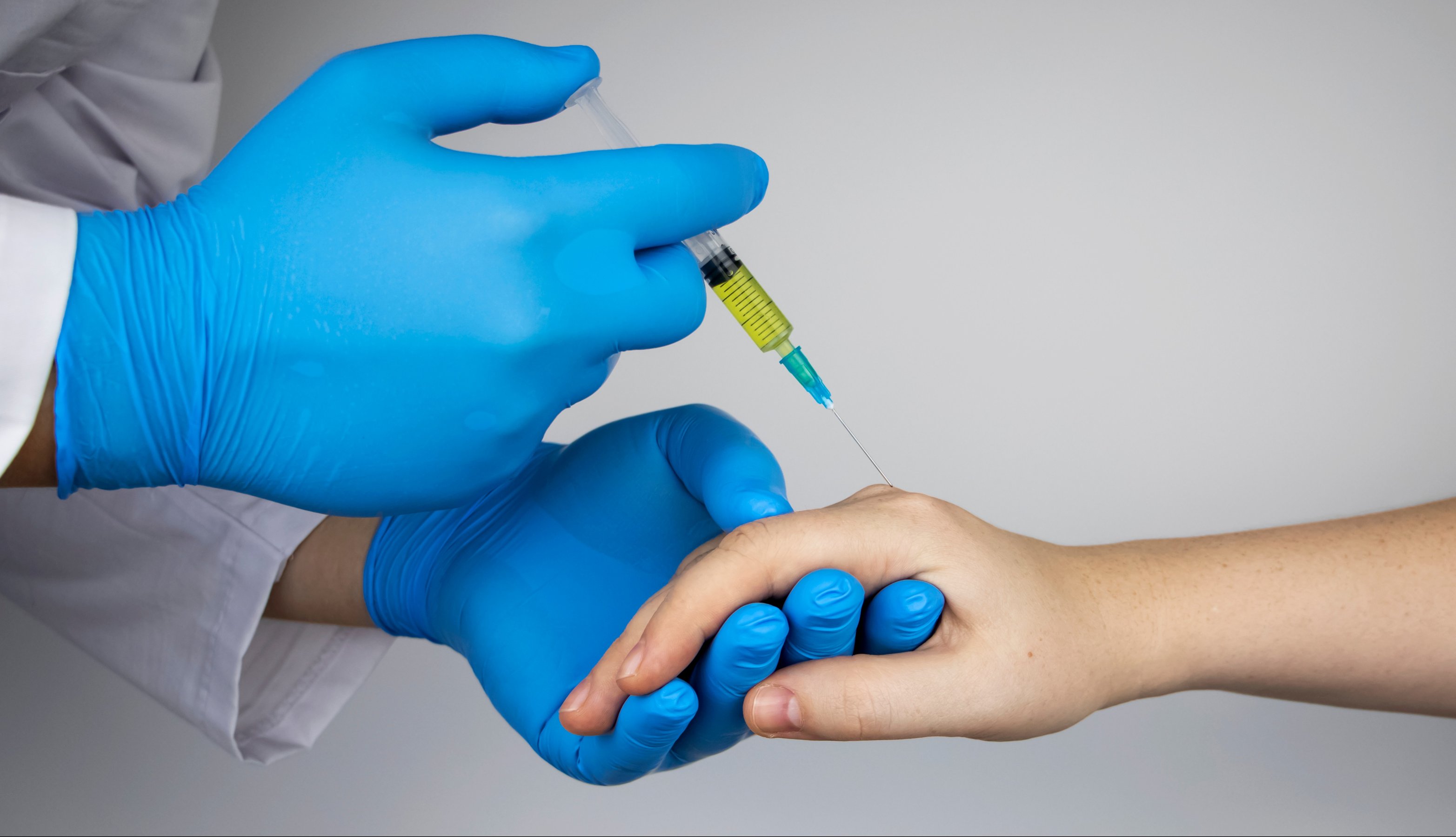
- Injection: The resulting platelet-rich plasma is injected directly into the injured or diseased body tissue. This releases growth factors that stimulate and increase the number of reparative cells your body produces.
Common Conditions Treated with PRP
Because PRP works by accelerating the body's natural repair mechanisms, it has a wide range of applications. It is particularly beneficial for treating musculoskeletal conditions.
PRP for Tendonitis and Chronic Tendon Injuries
Tendons generally heal slowly because they have a poor blood supply. PRP injections can be a game-changer for chronic tendon injuries. It is frequently used to treat:
- Tennis elbow (lateral epicondylitis)
- Golfer’s elbow
- Achilles tendonitis
- Jumper’s knee
PRP Injection for Knee and Osteoarthritis
One of the most common applications is for knee pain. Research suggests that a PRP injection for the knee can significantly reduce pain and improve function in people with low-to-moderate grade osteoarthritis. By reducing inflammation and stimulating the formation of new cartilage, PRP and osteoarthritis treatments offer a viable alternative to more invasive surgical interventions like knee replacements.
Other Sports Injuries
Acute ligament and muscle injuries, such as pulled hamstrings or knee sprains, can also benefit from PRP therapy. Athletes often turn to this treatment to shorten their rehabilitation time and get back on the field faster.
PRP vs. Cortisone: What’s the Difference?
Many patients ask how PRP compares to traditional cortisone (steroid) injections. While both aim to reduce pain, they work in fundamentally different ways.
| Feature | Cortisone Injections | PRP Therapy |
|---|---|---|
| Primary Goal | Reduce inflammation immediately. | Heal the tissue and reduce inflammation over time. |
| Mechanism | Suppresses the immune response. | Stimulates the body's repair response. |
| Duration of Relief | Short-term relief (weeks to months). | Long-term relief (potentially permanent). |
| Side Effects | Can weaken tendons/cartilage with repeated use. | Minimal side effects (uses your own blood). |
| Best For | Acute inflammation and severe pain. | Chronic injuries and tissue repair. |
How Safe and Effective Is PRP?
Because PRP is 'autologous,' meaning it comes from your own body, the risk of an allergic reaction or rejection is virtually non-existent. The risks associated with PRP are minimal and generally limited to the injection itself, such as slight pain, infection, or bleeding at the injection site.
In terms of effectiveness, studies show promising results. Patients with chronic tendon problems, such as tennis elbow or Achilles tendonitis, often report significant improvement in pain and function. However, results can vary depending on the specific area being treated and the overall health of the patient.
The Procedure: What to Expect During and After
Understanding the timeline is crucial for patients considering this therapy.
During the Session: The entire appointment usually takes about 45 to 90 minutes. Since it involves your own blood, there is no need for general anesthesia. A local anesthetic may be used to numb the injection site to minimize discomfort.
PRP Injection Recovery Time: One of the biggest advantages is the recovery time. Unlike surgery, there is no lengthy downtime.
- Immediate Aftermath: You might experience some soreness or swelling at the injection site for a few days. This is actually a good sign—it means the healing cascade has begun.
- First Few Weeks: You may be advised to limit intense physical activity on the treated area for a short period.
- Long-Term: Most people can return to their normal daily activities almost immediately, though full sports participation might take a few weeks, depending on the injury severity.
Is PRP Right for You?
PRP therapy is not a cure-all, but it is an excellent option for many people. You might be a good candidate if:
- You have joint pain or tendonitis that hasn't responded to physical therapy or medication.
- You want to avoid surgery or long-term medication use.
- You are looking for a natural treatment option.
However, it may not be suitable for those with certain blood disorders, active infections, or liver disease. A consultation with a specialist at PT Family Medicine can help determine if this is the best path forward for your specific condition.
Restore Your Mobility with PT Family Medicine
Living with chronic pain or a sports injury can feel limiting, but you don't have to accept it as your new normal. PRP therapy offers a safe, effective pathway to healing that works with your body, not against it.
PT Family Medicine is dedicated to helping patients in Pennsylvania get back to the activities they love. By combining integrated primary care with advanced sports medicine, PT Family Medicine provides a holistic approach to your health. Schedule an appointment with PT Family Medicine today to discuss if PRP therapy is the right solution for your pain.
Frequently Asked Questions
How many PRP injections will I need?
The number of injections varies based on the condition being treated and the severity of the injury. Some patients experience significant relief after just one injection, while others may require a series of 2 to 3 injections spaced several weeks apart to achieve optimal results.
Is the injection painful?
Most patients tolerate the procedure well. There is usually some discomfort during the blood draw and the injection itself. Your provider may use a local anesthetic to numb the skin around the specific injection site to minimize pain. Post-procedure soreness is common but typically subsides within a few days.
How quickly will I see results?
PRP is not a 'quick fix' like a painkiller; it is a biological process that takes time. You may notice some improvement within a few weeks, but the most significant healing and pain reduction usually occur between 6 weeks and 3 months after the treatment as the tissue repairs itself.
Does insurance cover PRP therapy?
Currently, many insurance plans consider PRP to be an elective or experimental procedure and may not cover the cost. However, coverage policies are changing as more evidence supports the efficacy of PRP. It is best to check with your insurance provider and the administrative team at PT Family Medicine to understand your coverage options and out-of-pocket costs.